
Beginner's Guide to Keeping Backyard Chickens in a Rural Village
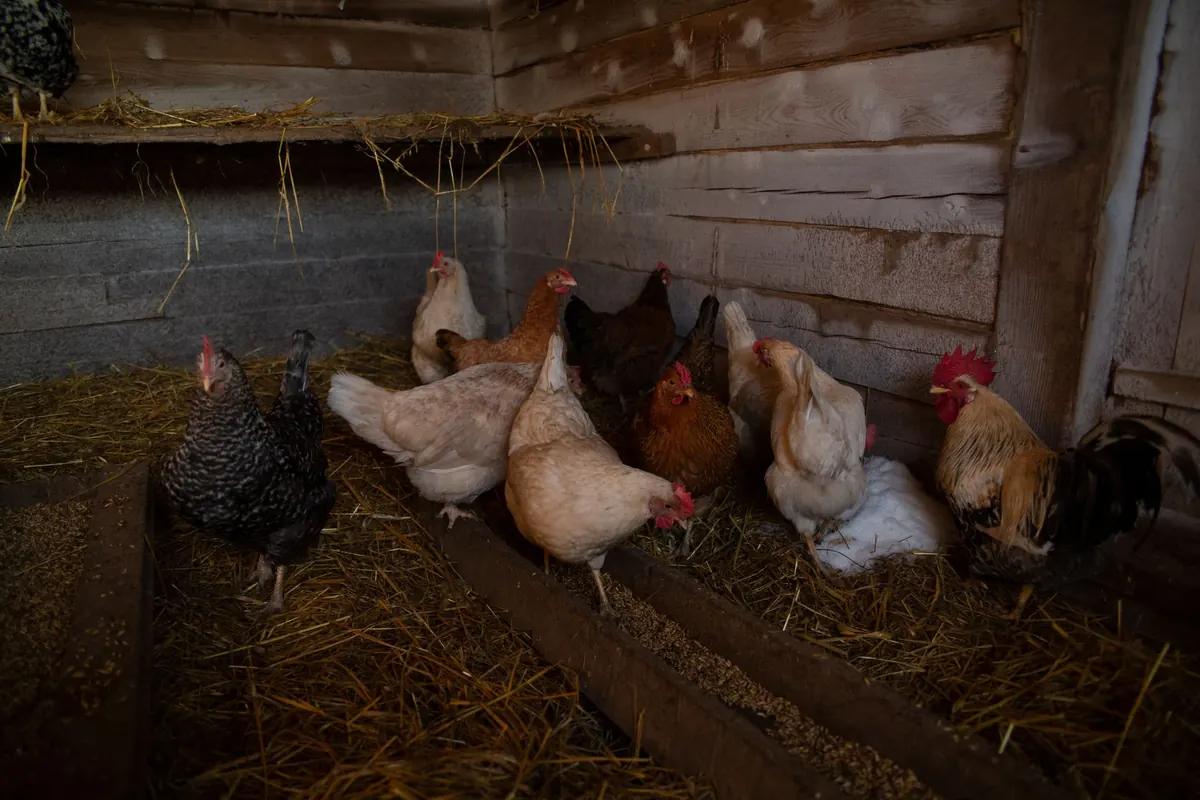
Chickens are the easiest livestock to keep badly and the most rewarding to keep well. Give a small flock decent shelter, clean water and a steady routine, and they will pay you back in eggs, manure for the vegetable bed and half an hour of quiet amusement most evenings. Get the basics wrong, though, and you will spend your first winter chasing foxes, scrubbing out a damp coop and wondering why nobody is laying. What follows is the groundwork worth doing before the birds arrive.
Space Comes Before Everything Else
Beginners almost always overstock. A useful working rule for a small house where birds only sleep and lay is around a third of a square metre of floor per hen, with more if they will be shut in during long wet spells. Out in the run, allow at least a square metre each, and expect that ground to turn to mud within a season unless you move the setup or cover part of it.
Inside, plan on 25 to 30 centimetres of roost bar per bird, set at least 40 centimetres off the floor and away from the wall so tails do not press against it. One nest box per four or five hens is plenty; more than that just gives you extra places to clean.
Cold is rarely the killer. Damp and draught are. Ventilation above head height, where the birds are not sitting in the airflow, keeps the air fresh and the litter dry.
A Coop You Can Actually Clean
The best coop is not the prettiest one. It is the one you can walk up to in the rain, open with one hand and scrape out in ten minutes. Look for these things:
- A raised floor, so damp does not creep up from the ground.
- A removable droppings board under the roost, which takes most of the mess out of the equation.
- Hardware cloth rather than chicken wire. Chicken wire keeps hens in; it does not keep foxes out.
- Latches a child could not open but a raccoon could not either — two-step catches, bolts or carabiners.
- A roof overhang or a small covered area so feed and drinkers stay dry.
Deep bedding — a thick layer of wood shavings or straw, topped up and turned — saves hours of scrubbing. Clear it out completely a few times a year, more often if it smells sharp.
Feeding Without Feeding the Rats
A complete layers' pellet or mash should be the foundation of the diet, available through the day. Keep a small hopper of grit and another of crushed oyster shell within reach so each bird can take what it needs for digestion and shell quality. Kitchen scraps are a supplement, not a diet: they add interest and use up vegetable peelings, but a flock fed mainly on scraps will lay poorly and go looking for trouble.
Rural properties come with rats. Store feed in metal bins with tight lids, not paper sacks in a shed, and use a feeder that limits spillage. A treadle feeder pays for itself, though it takes a week or two for hens to trust it. Skip mouldy bread and anything spoiled, and avoid the well-known no-nos such as avocado, raw dried beans and chocolate, which are not worth testing on your birds.
Water matters more than most newcomers expect. Hens drink a surprising amount, and a dirty drinker puts them off. Rinse and refill daily, site drinkers in shade in summer, and check them twice a day in a hard frost.
Predators: Assume They Are Already Watching
In a village or out in the fields, something is always interested in your hens. Foxes, badgers, stoats, rats, birds of prey, the neighbour's dog and the occasional owl all take their chances, and most attacks happen at dawn or dusk. A few habits make the difference:
- Shut the birds in every evening yourself, or fit an automatic door and still check it.
- Bury a wire skirt outward from the run edge, or lay paving slabs around the perimeter.
- Fill gaps. Anything a rat can pass through, a stoat can too.
- Keep feed and scraps out of the run overnight, because they draw rodents and then bigger visitors.
- Walk the fence line once a week. Storm damage and digging are easiest to fix early.
Rules, Neighbours and Village Etiquette
Rural does not mean unregulated. Rules on keeping poultry vary widely between parishes, councils and countries, and can cover the number of birds, roosters, the siting and size of structures, and distance from boundaries. If you rent, check the tenancy agreement. If your property is subject to covenants, check those too. A short call to the local authority planning office, or advice from a solicitor if anything is unclear, will cost far less than taking down a coop you were told to remove. This is general guidance only — confirm the position where you live before you buy birds.
Neighbours matter just as much. A quick word over the hedge before the hens arrive, an offer of spare eggs, and a promise that you will deal with any noise or smell yourself will prevent most friction. Roosters crow at inconvenient hours and are the single most common cause of complaints, so think hard before keeping one unless you need fertile eggs or a flock leader.
Buying Your First Birds
Start with three or four point-of-lay pullets rather than a dozen chicks. They need no heat lamp, they start laying within weeks, and they let you learn the routine while the mistakes are still small. Buy from a reputable breeder or supplier, ask about vaccination and health, and keep any new arrivals separate from existing birds for a couple of weeks.
The Daily Routine That Keeps a Flock Healthy
Chickens thrive on sameness. A simple rhythm is enough:
- Morning: open the coop, count heads, refill drinkers, check feed, and watch the birds for a minute. A hen that stays on the roost or stands hunched is telling you something.
- Midday: collect eggs if you can, especially in hot or freezing weather, and give scraps or greens.
- Evening: collect any remaining eggs, top up feed and water, shut the coop and count again. Two counts a day is the whole of biosecurity for a small flock.
- Weekly: scrub drinkers, add bedding, check roosts and nest boxes for mites, and look over feet, vents and eyes.
Egg numbers and shell quality are your best early warning system. A sudden drop usually means something changed: a predator visiting at night, a mite infestation, worms, a moult, or simply shorter daylight. If birds look unwell, isolate them and speak to a vet who works with poultry rather than guessing at treatments.
Start Small, Then Grow
Keep four hens well for a year before you think about twenty. You will learn your ground, your predators and your own tolerance for mud, and you will end up with a setup that suits the place you actually live in rather than the one you read about. Order the coop early, get it secure and dry before the birds arrive, make a friend who will feed them when you go away, and keep a notebook for the first few months: who laid, what you fed, what the weather did. That small record turns guesswork into knowledge, and by the second spring you will be the person the neighbours ask for advice.
Photo: Ivan Babydov / Pexels