
Village Hall Repair Fundraiser: A Step-by-Step Checklist for Rural Communities
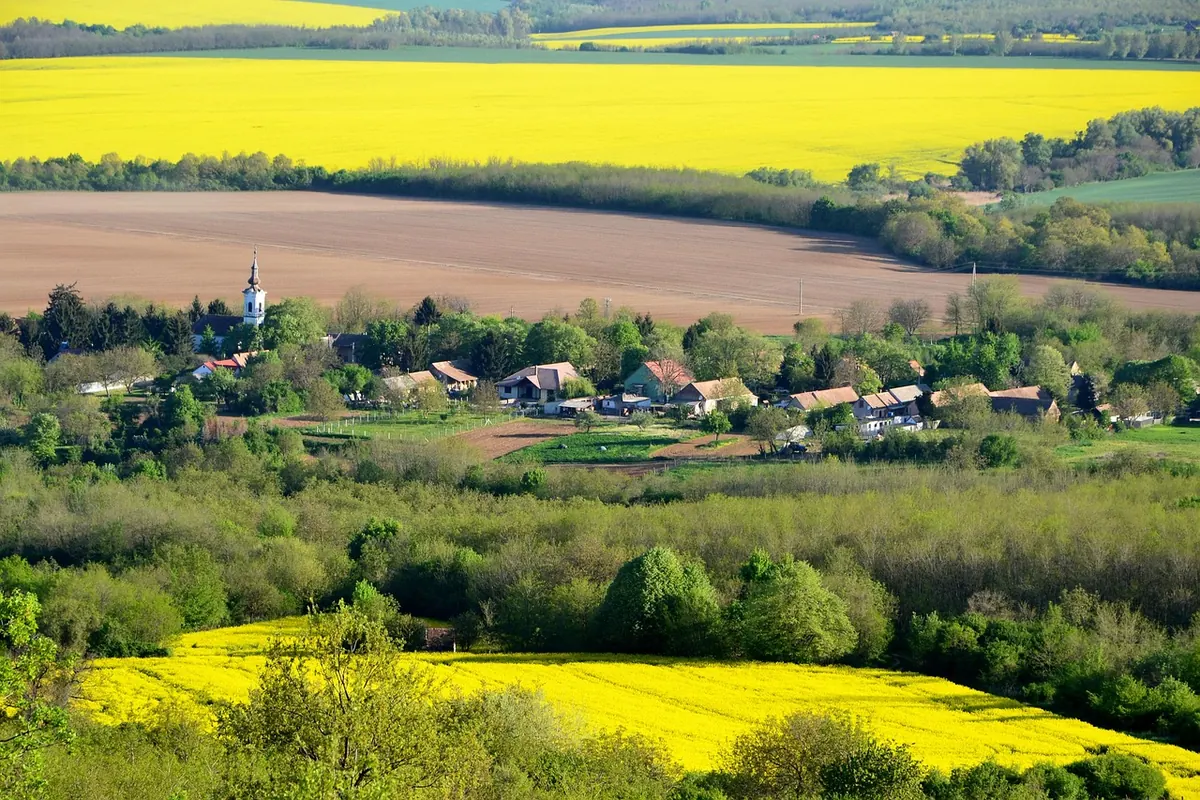
A village hall is often the last building in a parish that belongs to everyone. It hosts the toddler group, the parish council, the Christmas fair, the post-funeral tea and the only warm room some residents see all week. So when the surveyor's report lands on the committee table with words like "defective rainwater goods" and "spalling brickwork", the instinct is to panic — or to organise a cake stall and hope for the best. Neither gets the roof fixed. What does is a clear, unglamorous plan.
Begin with the building, not the bake sale
Before anyone prints a raffle ticket, find out what actually needs doing. Ask a chartered building surveyor for a condition report that separates urgent safety and weatherproofing work from the jobs that can wait three years. It is tempting to raise money for the nice-to-have extension while water quietly tracks down the inside of a wall, but funders notice when a committee can explain its priorities in order.
Walk the building with the report in hand and photograph everything: the cracked render, the sticking fire doors, the boiler with a service history you would rather not discuss. These photographs will do more for your grant applications than any amount of elegant prose. If the hall is listed or sits in a conservation area, check what consent you need with the local planning authority before ordering materials — listed building consent is not a formality.
Turn the survey into a costed plan
Get at least three quotes for each significant piece of work, and be honest about the extras: scaffolding, skip hire, making good after electricians have been through, professional fees, and a contingency of around ten to fifteen per cent. Repair projects rarely come in under budget, and the shortfall always appears at the worst moment.
VAT treatment depends on the charity's status and the nature of the work, so put the question to your treasurer and, if the sums are large, to an accountant who understands charities. Then phase the plan: what must happen this year, what can wait, and what the hall will look like at the end. A phased project is easier to fund than one enormous number, and it lets you start work while later money is still being raised.
Recruit a small committee that will actually meet
Six committed people beat twenty vaguely supportive ones. You need a chair who can make decisions, a treasurer who reconciles the bank account monthly, a secretary who keeps the paperwork in one place, and someone with the patience to fill in funding forms. Keep the fundraising group distinct from the hall's management committee, with its own bank account, so that hall funds and repair funds never blur together. Agree at the first meeting who is allowed to spend what, and write it down.
Pick events your village will turn out for
The best fundraiser is the one people already enjoy. Look at what fills the hall now and build on it. A few that work well in small parishes:
- A quiz league played across neighbouring villages, with each round hosted in a different hall
- A repair café, where people bring broken lamps and bikes and pay a small entry fee
- A sponsored walk along the parish footpaths, with a tea stop halfway
- A spring plant sale using divided perennials from local gardens
- A barn dance or ceilidh with a local band, which tends to sell out faster than a formal dinner
- A monthly 100 Club draw, which brings in steady income with very little effort once it is running
- A buy-a-slate or buy-a-brick scheme, with names recorded on a board in the entrance
Price realistically, keep costs down, and repeat the winners annually rather than inventing something new every time. Check your insurance covers each event — hall policies often cover hall activities, not a separate fundraising function — and confirm licensing and food hygiene requirements before you advertise.
Chase the grants properly
Grants are where the large sums live, and most rejections come from rushed applications rather than weak projects. Work through it methodically:
- Read the funder's criteria twice, then check your project against every line.
- Assemble evidence: the survey, quotes, photographs, letters of support from user groups and the parish council.
- Show what the community has raised itself. Funders like to see local effort, and most expect match funding.
- Answer the questions asked, in plain language, using the funder's own words for things like "community benefit".
- Work backwards from the deadline and leave a fortnight for colleagues to read it.
- Keep a copy of everything you submit, and note the decision date in the diary.
Look at the National Lottery Community Fund, your county or district council's community grants team, your parish council, and the charitable trusts listed in the main funding directories. Some trusts fund only capital works, some only revenue, some only in particular counties. Apply to a handful that genuinely fit rather than fifty that do not.
Ask local businesses and villagers directly
Not everyone wants to come to a quiz. Some would rather write a cheque, sponsor a scaffold board, or leave a gift in their will. Approach local firms with a specific ask — "would you cover the cost of the new fire doors?" — rather than a vague request to support the hall. Offer recognition that suits them: a line in the newsletter, a plaque, a mention at the reopening. If you are claiming Gift Aid or handling legacies, take advice from a solicitor or accountant first; the rules are not complicated but they are strict.
Thank people like you mean it
Send a written thank-you within a fortnight, naming the gift and what it paid for. Publish a donors' board if people are happy to be listed, keep a simple record of who gave what, and produce a short annual update showing money in, money out and photographs of the work. Donors who can see their £50 in a new handrail give again. Send the update to everyone, including the people who said no the first time.
Keep the kettle on
Repair fundraisers run for years, and the committee that starts the campaign is rarely the one that finishes it. Write everything down: the costed plan, the grant deadlines, the list of donors, the passwords to the online account. Share the load between at least two people for every task, and put a social evening in the calendar that raises nothing at all. The hall will still be standing when the scaffolding comes down, and the people who saved it deserve a night off before the next roof.
Photo: BeJan / Pixabay