
Slots, Poker, and the House Edge: A Real Talk Guide
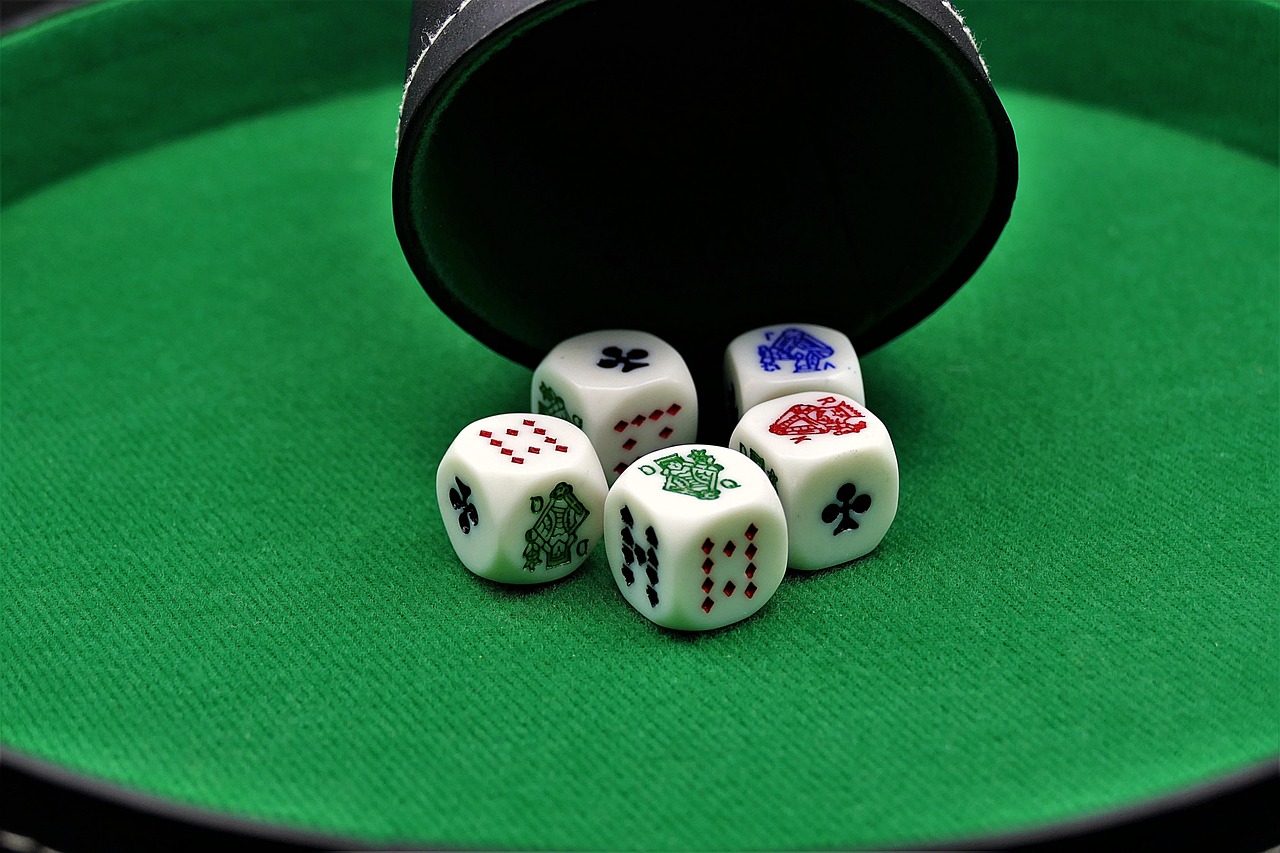
Most people who sign up for an online casino account do it for the same reason people buy a lottery ticket or back a longshot at the track: the possibility, however small, that a boring Tuesday could turn into the best Tuesday of their life. That's fine. There's nothing wrong with paying for a little drama and a shot at a story. The trouble starts when players confuse a shot at a story with a plan. Because the difference between enjoying iGaming and losing money to iGaming almost always comes down to understanding what, exactly, you're actually up against.
Let's talk about that. Not in a finger-wagging way, but in the way an experienced player talks to a friend who's just getting started.
The House Edge Is Not a Bug, It's the Product
Every game in a casino, online or offline, is built around a mathematical advantage for the operator. That's not a secret and it's not shady. It's the business model. The edge is the rent you pay for the privilege of playing, and it varies wildly from game to game.
Rough numbers worth memorizing:
- Blackjack (basic strategy): around 0.5% house edge — among the best bets in the building, if you actually learn the chart.
- Baccarat (banker bet): roughly 1.06% — which is why high rollers camp out here.
- European roulette (single zero): 2.7%. American roulette, with that extra 00 pocket, jumps to 5.26%. Same wheel feel, twice the cost.
- Slots: typically between 2% and 10%, with many popular online titles landing in the 3% to 6% range. High-volatility megaways games often sit at the higher end.
- Kenо and lottery-style games: often 25% to 35%. Fun, but the gap is enormous.
None of this means slots are bad. It means slots are priced differently. A player betting $1 a spin on a 4% edge game is effectively paying 4 cents per spin in expectation, while the same dollar on a 1% edge table game pays a penny. The entertainment is real in both cases, but the sticker price is not.
Slots: RTP, Volatility, and Why That 96% Number Doesn't Mean What You Think
Slot providers advertise RTP — Return to Player — as if it were a savings rate. A 96% RTP game is not handing you back 96 dollars on every hundred. It's saying that over millions of spins, the machine pays out 96% of everything wagered. You could easily be down 60% after a two-hour session. You could just as easily hit a 500x bonus round on your twentieth spin and walk away up by triple.
What matters more for your actual experience is volatility, and this is where new players get wrecked.
- Low volatility slots (think classic three-reel fruit machines): frequent small wins, gentle bankroll drain. Great for long sessions with a small budget.
- Medium volatility: the sweet spot for many casual players, balancing hit frequency with meaningful payouts.
- High volatility (Megaways games, most "book of" slots): long dry spells punctuated by potentially huge wins. You can lose your entire balance before the feature even triggers once. Bankroll swings of 200+ spins without a real hit are completely normal.
Here's the actionable tip: match volatility to your bankroll. If you're playing with $50, a high-volatility slot is essentially a coin flip at best. If you're playing with $500 and want that jackpot dream, then sure — chase the swings, but know you're paying for the rollercoaster, not for a return.
Poker Is a Different Animal Entirely
Slots and table games are you versus the house. Poker is you versus other players, with the house skimming a small rake. That distinction is enormous. In a cash game, if you're the best player at the table, you are the house. Over time, you'll win. If you're the worst, you'll lose — and no amount of lucky river cards changes that math over thousands of hands.
Three things separate winning poker players from the rest: If you want to dig deeper, dana slot is worth a look.
- Position awareness. Acting last is a massive edge in Texas Hold'em. Playing a wide range of hands from the button and a tight range from under the gun is the single most reliable leak-plug you can make.
- Bankroll management. The rule of thumb for cash games is at least 20 buy-ins for the stake you're playing. At $1/$2 no-limit, that's $4,000 before you sit down seriously. Ignore this and you'll go broke on variance alone.
- Discipline over ego. Folding a good hand when the action says you're beaten is a skill most amateurs never develop. The money in poker comes from the mistakes your opponents make, not from your hero calls.
Online micro-stakes — $0.01/$0.02 up to $0.10/$0.25 — are where almost everyone should start. The rake is high relative to the stakes and the players are weak, which means the path to profit runs through patience, not aggression. Move up only when you've beaten your current level over at least 20,000 hands.
Bonuses Are Marketing—Read the Fine Print
Welcome bonuses, free spins, deposit matches: every operator offers them, and every operator attaches conditions designed to make them unprofitable for the average player. The key term is wagering requirement.
A "100% up to $200" bonus with a 40x wagering requirement on the bonus amount means you must bet $8,000 before withdrawing a cent of bonus-related winnings. At a 4% slot edge, that's an expected loss of $320 — more than the bonus is worth. Bonuses become +EV only at low wagering requirements (under 20x) and when they apply to high-RTP games. Crypto casinos often have better terms here; traditional ones, generally worse.
Also check:
- Game weighting. Slots usually count 100%, table games might count 10% or not at all.
- Max bet rules. Betting over the limit while clearing a bonus voids your winnings entirely.
- Time limits. Seven days to clear a 40x requirement is not realistic for most players.
Treat bonuses as a small discount on entertainment, not as free money. If you wouldn't play the game anyway, don't play it just to clear a bonus.
The Only Three Rules That Actually Matter
Everything above collapses into three habits that separate sustainable players from cautionary tales.
- Set a loss limit before you log in, not after. Write the number down. When it's gone, the session is over. No exceptions, no "just one more deposit."
- Track your sessions. A simple spreadsheet — date, deposit, withdrawal, net — is brutal reality. Most people are shocked when they actually add it up.
- Play games you understand. If you don't know what RTP is or how the bonus mechanic triggers, don't bet real money on it. Demo modes exist for a reason.
The Long View
Nobody thinks about iGaming the way they think about, say, buying a guitar or going to a concert — as money spent in exchange for an experience. They think about it as a chance to win, and that framing is exactly what makes the industry so profitable. The honest truth is that a small percentage of players will walk away up over the year, a moderate percentage will roughly break even on entertainment value, and the majority will spend more than they intended. The goal isn't to pretend you'll be in the first group. It's to make sure that if you're in the second, you knew what you were buying — and if you're in the third, you had a limit that stopped the bleeding cold. Play the games, enjoy the drama, but always play like the math is watching. Because it is.